
On the Importance of the Petrodollar, Part 2
Read Part One of the series here.
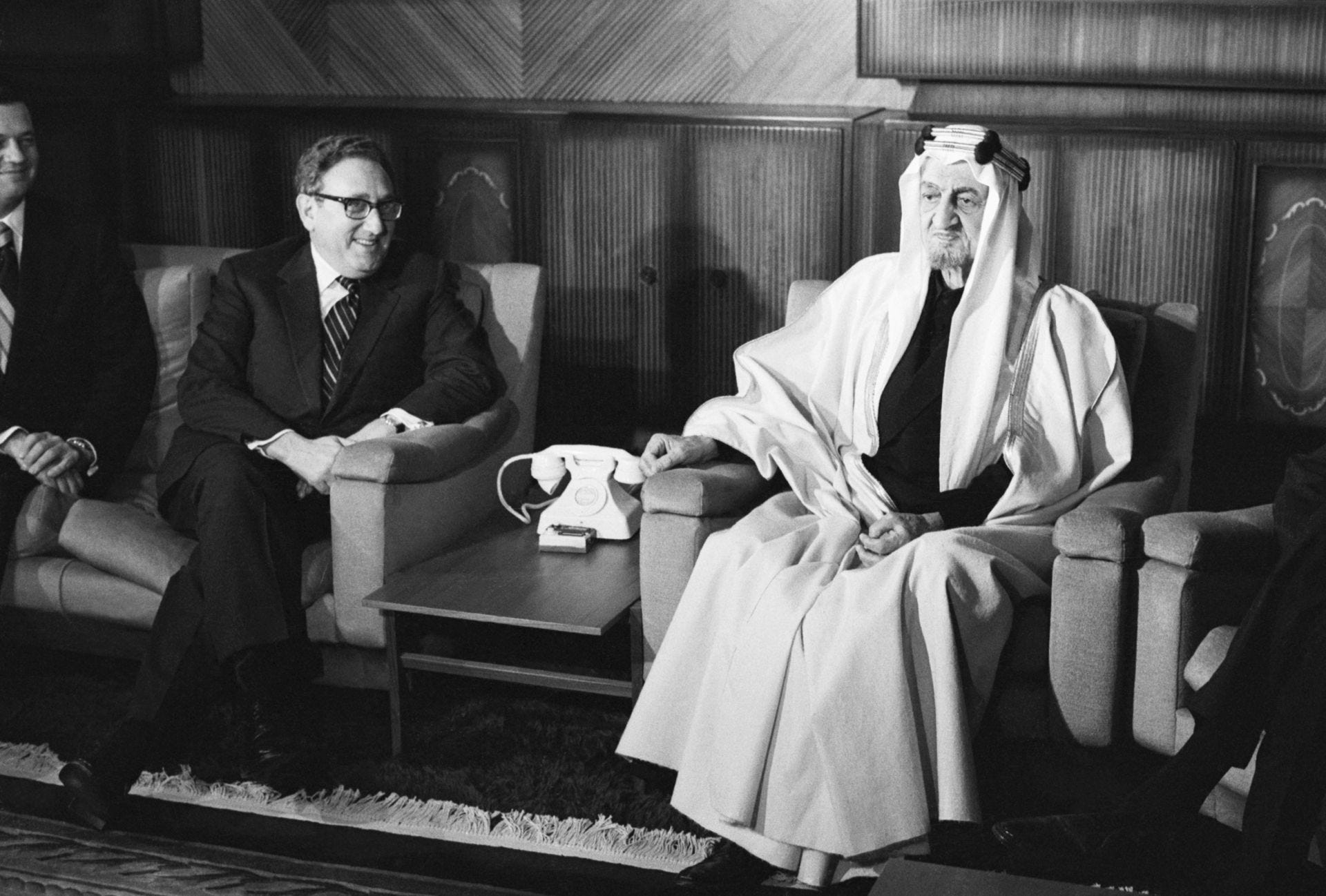
I ended the first part by asking what happens if the petrodollar falls?
Consider this. In 2008, a cash-strapped City of Chicago handed over management of its parking meters for the price of a billion dollars. American cities have not got richer since then…
Who made that investment? The sovereign wealth fund of the United Arab Emirates, using their petrodollars. They run parking in Chicago now.
This is of a piece with massive petrodollar investment in real estate in large American cities and cities like London. (The petrodollar is one reason property prices are so high in capital cities around the world. Good for historic property-owners. Terrible for aspiring owners.)
The Arab states currently hold over $300 billion of American debt. (China holds double that, but has halved their total exposure since 2013.)
Whilst Arab purchases of American debt are relatively modest considering global demand, it is important to note that if Middle Eastern demand for treasury securities declines as China continues to de-dollarize, American inflation would increase, interest rates would go up, and they would need to devote 100s of billions of dollars more annually to increased interest payments.
This, along with some other shocks to the US economy (think an AI bubble bursting, a significant military setback), could tip the American debt problem into crisis mode.
And the biggest global risk may not, in fact, be US economic decline, but an increasingly aggressive effort on their part to shore up their Middle Eastern influence, if the regime believes the petrodollar is threatened.
But before I delve deeper into the consequences of a fading petrodollar (which would not be entirely negative for the US, especially for its workers), we need to continue to go deeper into its history and how it has shaped the modern Middle East. The past dictates the future. To some extent.
The British documentarian Adam Curtis will be our guide, through his landmark film, Bitter Lake, which, while focusing on the chaos of Afghanistan, shows how the perverse emergence and maintenance of the petrodollar, alongside Zionism, has led to such disaster in the Middle East.
First of all, a clip from Curtis in which he reminds us how the fateful meeting between FDR and the Saudi King on the bitter lake of the Suez would lay the foundation of American patronage of radical Sunni Islam:
